Financial Stress and Relationships: Finding Balance with Professional Help
Initiating couples therapy can be a transformative step to reignite your connection. This therapeutic journey offers a protected environment to explore relationship dynamics, improve communication, and work through conflicts. It guides you to develop emotional intimacy and rediscover affection in your marriage. Thriving together, not simply surviving, is central to couples therapy. If you're ready to move forward with dedication and patience, you're certain to uncover a strong, compassionate connection that can strengthen your relationship. Interested in exploring this path further?
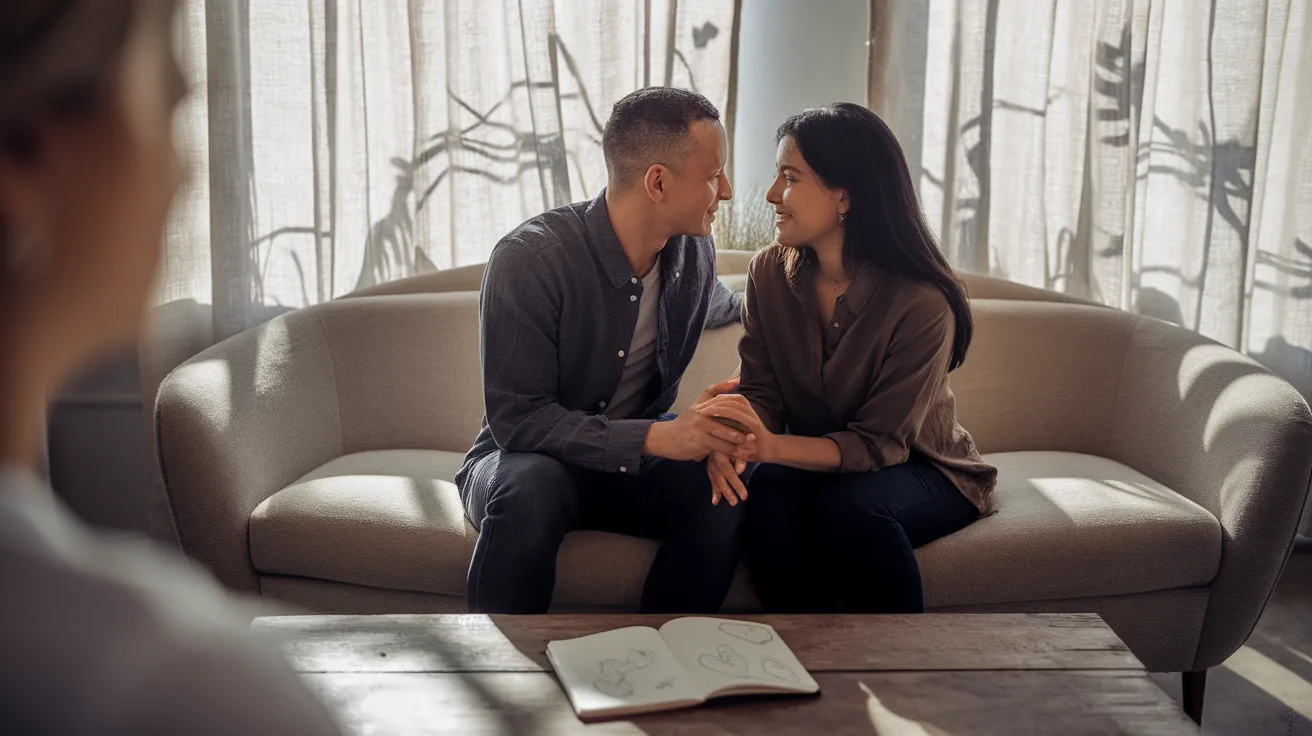
Key Insights
Understanding the Essential Role of Couples Therapy
While some think that couples therapy is exclusively for partnerships facing difficulties, it's actually a powerful tool that can strengthen bonds and improve communication. It offers a safe environment where you can examine relationship dynamics, allowing you to better grasp the complexities of romantic connections. Whether you're looking to deepen emotional intimacy or address existing problems, therapy can be life-changing. It's about building bridges, not finding fault. Don't wait to get assistance. Embrace couples therapy as an investment to cultivate growth, resilience, and connection in your relationship. Keep in mind that it's about nurturing the bond, not just fixing problems.
Mastering Communication: Therapeutic Dialogue Enhancement
If you've ever felt unheard or misunderstood in your relationship, couples therapy provides a valuable lifeline. This therapeutic journey helps improve your dialogue, cultivating a better understanding of each other. Effective listening goes beyond mere copyright; it involves truly understanding the feelings behind them. A experienced therapist assists you in this nuanced art, helping you interpret not just what your partner is saying, but what they're feeling too. As you grow more skilled at this, you'll find your discussions becoming more purposeful and less filled with misunderstanding. Keep in mind communication is more than just talking; it's about relating on a deeper level. Through therapy, you can revive this connection, transforming your relationship into a sanctuary of mutual understanding and empathy.
Conflict Resolution: The Therapeutic Approach
Conflict in relationships is a universal experience, yet it's often misunderstood. Using appropriate therapeutic strategies, these challenges can become chances for growth and understanding. We'll examine how addressing disagreements can create significant improvements in your relationship, developing closer connections and peace.
Navigating Relationship Conflicts
While it may appear daunting at times, understanding conflict in relationships is crucial for their growth and sustainability. It's important to identify your communication approaches and emotional triggers to gain insight into conflict dynamics. You see, relationship patterns can develop into loops, with defensive behaviors escalating disputes. By identifying these patterns, you can work towards more effective conflict solutions. Communication strategies come into play here, helping you handle conflicts with patience and consideration. Indeed, trust-related concerns may make this challenging. However, by confronting these problems openly, you're taking vital steps towards a stronger bond. Keep in mind, conflict isn't inherently negative. It's a pathway to improvement, creating better mutual understanding and closeness.
Therapy Techniques for Resolution
Although there are challenges, therapeutic work can meaningfully develop your ability to resolve conflicts. Here's where strategies like active listening make a difference. The process goes beyond simply hearing, but comprehending the emotional context. As your partner talks, concentrate on their emotions, instead of your reaction. Developing empathy, another vital skill, means seeing things from your partner's perspective, genuinely understanding their perspective. You don't have to agree, but recognizing their emotions can create connection.
Benefits of Addressing Disputes
As you embrace resolving conflicts in a therapeutic setting, you open the door to numerous benefits. Conflict resolution in a controlled environment enables emotional healing and constructive communication. It's an opportunity to voice your concerns, fears, and desires without concern over judgment or retaliation. You'll acquire tools to manage disagreements, fostering understanding and empathy. click here You and your partner can break free from harmful patterns, substituting them with healthier habits. You'll realize that conflicts, once a source of distress, can become catalysts for growth and deeper connection. The benefits reach past your relationship, improving your overall emotional health and wellbeing. Therefore, embrace conflict resolution. It leads to a healthier, happier relationship.
Rekindling Affection and Connection in Partnerships
Should you find that the passion in your romance has cooled, know that you're not alone. Most partnerships experience times of decreased affection. Reviving love and affection in your relationship usually involves recognizing each other's love languages and building emotional intimacy. Love languages reflect how we feel love and appreciation, whether it's through loving copyright, thoughtful gestures, or time together. Understanding your partner's love language can reignite the passion you once had. Emotional intimacy, being able to communicate your innermost thoughts and feelings, is another vital component of revitalizing your relationship. It's about vulnerability, trust, and mutual respect. Couples therapy provides the resources and assistance to help you investigate these elements, strengthening your bond and revitalizing your love.
What You Should Know About Couples Therapy
Starting the process of couples therapy can feel intimidating, but it's essential to realize that you're not alone. We'll guide you through discovering what couples therapy involves, examine the therapeutic techniques used, and explain the potential benefits. This journey is structured with your relationship's growth and healing at its heart.
Understanding Relationship Counseling
While seeking couples therapy might feel daunting, it's vital to recognize that this approach is developed to help couples work through their relationship difficulties. It provides a safe and supportive environment where you can honestly examine your couple interactions without judgment or criticism. Your counselor won't choose favorites but rather to guide you toward improved communication. Therapy meetings often highlight important patterns and response patterns that might influence your relationship. You will gain new perspectives into each other's viewpoints, learn healthy communication, and strengthen your connection. Remember that couples therapy is a gradual process; it's a path of learning and connection. Accept this journey and see your partnership transform.
Therapeutic Methods Examined
Building on the understanding of what couples therapy is, you might be curious about what occurs during the sessions. This is a process that incorporates several therapeutic techniques. Emotion regulation is one such technique. It's about helping you and your partner process and deal with emotional reactions constructively. This isn't focused on repressing feelings, but communicating them in ways that promote understanding and closeness.
Another effective approach is developing closeness. This may include activities or discussions focused on improve connection, mutual respect, and emotional intimacy. You can discover common experiences, dreams, or recollections. The goal is reviving that special bond and deepening your bond. Keep in mind, therapy isn't a quick fix. It's an ongoing path, and these approaches are tools to help you navigate it.
Projected Results and Benefits
Even though it's natural to start couples therapy with a bit of nervousness, knowing what to expect can help ease your anxieties. One major benefit you'll likely see is an increase in emotional closeness. As you and your partner work through issues, you'll learn to communicate your feelings more openly and authentically, resulting in stronger connection and intimacy.
Another key result is relationship growth. You're doing more than solving issues; you're acquiring new tools and approaches that will make your partnership stronger and more fulfilling. This development may not come easy or fast, but the changes you'll experience will be worthwhile. Remember, the objective of couples therapy isn't just to get by, but to flourish as a couple. So, accept the path forward and look forward to the changes.
Exploring Couples Therapy: A Detailed Overview
Despite common misconceptions, beginning couples therapy can deliver a wide range of benefits that will positively impact your relationship. It creates a protected setting for establishing trust, a fundamental component that is essential for any strong relationship. Your therapist will equip you with strategies and practices to help you both communicate freely, cultivating emotional connection.
Relationship therapy is more than just solving problems; it's about developing a deeper connection with your partner. You'll learn your partner's communication style, their needs, their sensitive points, and how to respond effectively. It's about evolving in unity, not in different directions. So don't be afraid of seeking help. Take advantage of this possibility to enhance your connection and revive your intimate bond. Remember, it's perfectly normal to need a little guidance to manage relationship challenges.
Success Stories: How Couples Therapy Changes Lives
Imagine the resilience and stability you could develop in your relationship through couples therapy. Let's examine some actual transformation journeys that highlight the effectiveness of this therapeutic approach. These aren't just tales of getting by, but flourishing, rekindling love, and rebuilding bonds. One couple, caught in a pattern of constant disagreements, established common ground and a refreshed sense of partnership. Another, dealing with infidelity, rebuilt trust and intimacy through therapeutic dialogue and exercises. Then there's the pair who reconnected by learning each other's love languages. These transformation stories are as unique as they are uplifting. Remember, these success stories could be your story. With patience, devotion, and professional guidance, couples therapy can truly enhance your relationship.
Popular Questions
Does Insurance Usually Cover Couples Therapy Costs?
Insurance coverage for couples therapy isn't guaranteed, so checking with your provider is essential. Individual policies have unique specifications, making it important to review your policy specifications. Consider investigating all available payment methods to find a manageable payment solution for your relationship's growth.
What is the Typical Duration of a Therapy Session?
You're curious about how long therapy sessions last. Typically, sessions last approximately 45 to 60 minutes. Nevertheless, therapy frequency and duration can vary depending on your specific situation and your therapist's methodology. It's tailored to your needs.
What Credentials Should You Look for in a Couples Therapist?
Seeking a professional therapist, right? They need to have proper qualifications along with licenses and certifications. Don't forget to consider their knowledge of effective treatment methods. Empathy and expertise matter factors. You deserve top-quality support for your relationship's growth.
Can Couples Therapy Help When One Partner Is Unwilling to Participate?
Yes, couples therapy can still be beneficial even if a single partner shows interest. It removes communication barriers, increases understanding, and sparks individual motivation to make positive changes, potentially influencing the non-participating spouse to join in.
What if We Commence Relationship Counseling and Subsequently Determine It's Not Working?
If your therapeutic journey encounters obstacles, don't get discouraged. Various alternatives exist, including different treatment methods or enhanced communication techniques. Success lies in finding what works best for you both, rather than limiting yourself to a single approach.
Final Thoughts
Similar to a phoenix being reborn, your marriage can be transformed through marriage counseling. Prevent communication problems or unsettled disagreements diminish the flame of love. Embrace the benefits of therapy to reignite affection, enhance communication, and develop sustainable answers. Just as countless couples have renewed their partnerships, you can too. Keep in mind the process may be demanding, but the outcome—a healthier, stronger bond—is undeniably worth it.